



It’s easy to forget vital bits of information when setting off on a single-handed passage. Making checklists helps, but everyone’s will be slightly different

A checklist for UK skippers sailing alone
Expiry dates, ship’s and personal papers
As well as taking the ship’s papers and personal papers, list their numbers and dates. For example, if your radio licence expires while you’re away, you could commit a criminal offence by transmitting.
- Small Ships Register number and expiry date/original registration document and other proof of ownership
- Ship’s radio licence expiry date
- Details of boat insurance cover (including a current receipt and, for some countries such as Italy, a translation). Insurance is mandatory in many European countries and is generally required by marinas, plus insurer’s contact details
- Proof that full duty has been paid on any diesel fuel carried
- VAT papers (Customs may want to see them)
- Sail number
- Voyage log
- International Certificate of Competence (ICC) certificate and expiry date
- RYA number
- RYA sailing certificate number
- First aid certificate expiry date
- Maritime Mobile Service Identity (MMSI) number
- VHF/DSC cert number and call sign in phonetics
- Long range radio cert number
- Yacht length and draught
- Mooring expiry dates
- Passport number, visas and expiry dates
- Travel/medical insurance details, Global Health Insurance Card (GHIC) – or European Health Insurance Card (EHIC) if still valid, if travelling to the EU
- National Insurance number
- Credit card number, expiry date and bank contact details
Engine details
It’s useful to have these details to hand if you need to get some advice from the engine or component manufacturers while you’re away.
- Engine type and number, propeller diameter, pitch and shaft diameter
- Oil type and capacity for engine and gearbox
- Service dates
- Details of ancillary equipment
- Service department contact details
Liferaft, lifejackets, flares and fire extinguishers
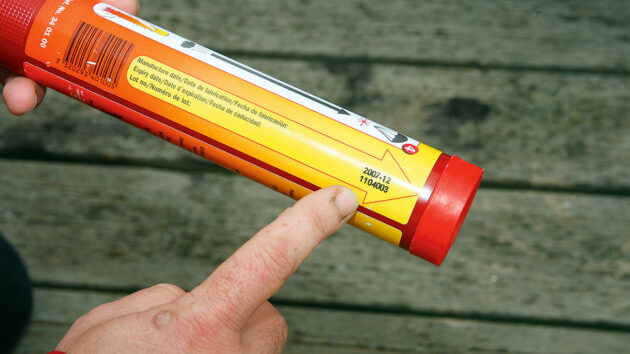
Make a note of flare expiry dates so they can be replaced
It could be awkward if a service date comes up while you’re in a remote area. This may also make insurance companies unhappy.
- Liferaft service date, and list of contents
- Lifejacket service dates
- Flare expiry dates
- Fire extinguisher expiry dates
Medical
A list of onboard medication makes a doctor’s job easier if giving you medical advice over the radio.
- Medication and expiry dates
- First aid kit contents and expiry dates
- Doctor’s contact details
- Many chemists will accept an emailed prescription from your doctor
Victualling

Pack plenty of your favourite food, especially if sailing alone remotely. Credit: Mike Robinson/Alamy
This list is to personal taste.
- Treats: these make long passages, day or night, more enjoyable. Make sure you have enough of your favourite brands, as they may not be available in some places you visit
- UHT milk solves the problem of finding fresh milk
- Garlic puree in a tube is very convenient
- Curry paste can be added to many dishes – even to beans on toast
- Check availability – it’s sometimes difficult to get fresh fruit, salads and vegetables in some remote areas
Spare clothes
These make life more comfortable.
- A sleeping bag in a waterproof bag
- A set of underwear and socks in a waterproof bag
- Leather sailing gloves to avoid injury (seawater can slow down the healing of wounds)
- Neck towels and warm hats to avoid cooling of the blood to the head
- Thermals. Several layers are better than one, and are adjustable
- A large-brimmed hat or a large cloth square to wrap around the head for UV protection
- Wetsuit – just in case you have to go over the side
Bosun’s list
You should be able to undertake some basic servicing and repair work. A comprehensive tools and spares list can be found at: https://www.pbo.co.uk/expert-advice/here-are-the-essential-tools-for-a-boat-98754
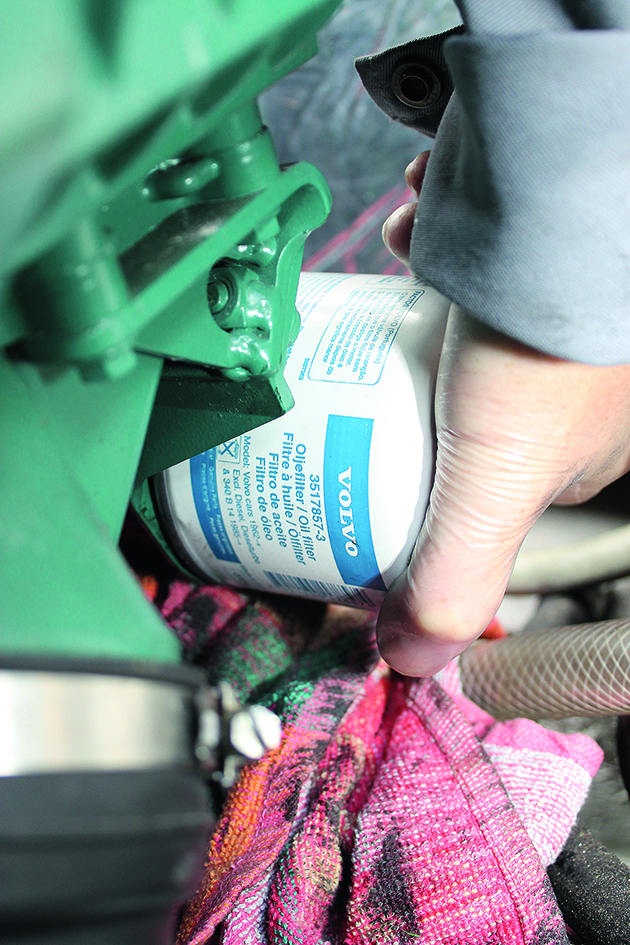
Make sure you have the correct filters and other spare parts for the engine
Engine
- Engine service kit, oils and spare parts. Customs charge for parts in most countries, so stock up before you go
- Manual and tools for servicing. Colour code the spanners (with tape or paint) for particular jobs, for example, changing the impeller
- Sets of filters and several impellers
- Some like to carry a spare stern gland
Plumbing
- Pipes, fuel, water, gas clips
- Spares for heads and bilge pumps. Do you have a manual bilge pump that can be operated from the helm? Or a bucket?
- Spare gas regulator
Electrical
- Fuses, including those for the engine, electrical wiring, spare spade terminals, crimping tool, portable gas soldering iron
- Batteries for torches, handheld VHF, GPS, anchor and emergency nav lights
- Check the condition of main batteries. Carry a portable power pack that can be charged from a solar panel or the boat’s electrics, and can be used for charging mobile phone, VHF, searchlight and to start the engine
Sails and rig
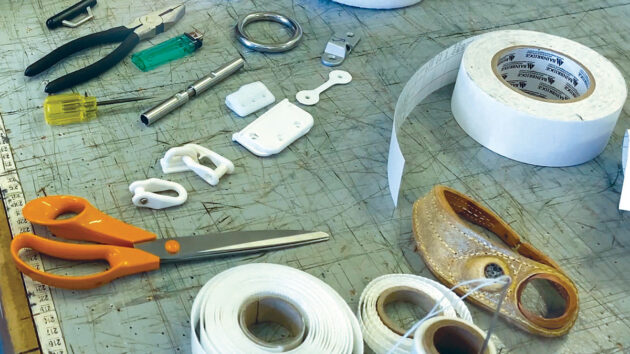
Carry a comprehensive sail repair kit when sailing alone
- Regularly check all sails and lines for damage. Carry a spare mainsail if needed
- Repair tape, sailcloth, needles, thread, wax, sailmaker’s palm, Dyneema thread
- Enough line to replace halyards – the topping lift and spinnaker could be used as spares
- Rigging wire (the same length as the longest stay on board) with an end-fitting already in place, cutters, staylock terminals, bulldog grips
- Blocks, sheaves, shackle mousing wire, spare shackles, swivels, winch grease, whipping twine. Don’t forget a decent fid and several sharp knives
Other spares
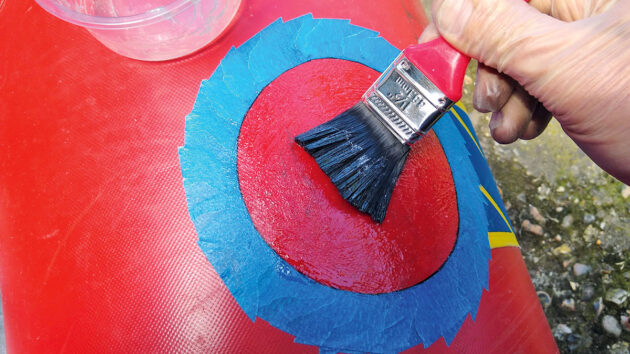
Keep an inflatable repair kit and glue handy. Credit: Jake Frith
- Sealants, glues, tape
- Extending boat hook with knife attachment to remove a rope around the prop without going over the side
- Fender boards: two short ones are easier to store
- Tender spares: outboard engine service kit, spark plug, filter, shear pin. Pump, repair kit and glue for the inflatable.
Spare water and fuel
Sometimes the main tanks can get contaminated, or you simply run out.
- Water: a couple of gallons, just in case you forget to fill the tank. You may also consider a hand-operated watermaker
- Diesel: four one-gallon containers are easier to carry, store and transfer
Personal items
- Personal medication: make up a card to carry on your person
- Spare glasses: maybe in the grab bag
- Sunscreen and sun block and ear plugs (harbour use)
- Bank credit card in the grab bag
- Keep ship’s papers in a waterproof bag and have means of attaching it to a float in case it is dropped overboard
- Spare charging leads and battery packs for your phone or other electronics
Emergency hull repairs
- Underwater-setting sealants, glues, tapered bungs, self-amalgamating rubber tape (hoses and seacocks), self-adhesive bandage which can stick to itself and is flexible
Grab bag
Ideally the bag should be a waterproof container that will float (an attached fender may solve this).
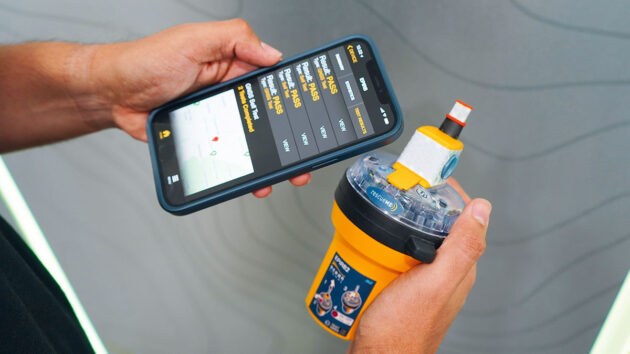
Is your EPIRB registered and/or your details updated? Credit: Ocean Signal
- Check what items are carried in your liferaft. The service agent can provide a list. Extras can then be added such as:
- Three rockets, two flares (three flares in liferaft), one orange smoke
- Spare glasses, seasick pills, survival blanket, Thermal Protective Aid (TPA) drysuit, spare sea anchor, marker dye, emergency food rations and water/hand-operated watermaker, multiple torches, including head torches and high-powered LED light and strobe light, batteries and spare bulbs in waterproof case, inflatable radar reflector, first layer thermal underwear, first aid kit, credit card, photocopy of your passport, sun block, personal medication, fishing kit (hooks well protected), waterproof notebook and pencil, multitool, binoculars.
- A handheld GPS, VHF and EPIRB/PLB transmitting on both 406MHz and 121.5MHz, Search and Rescue Transponder (SART), either radar or AIS, spare batteries in waterproof case.
Safety equipment
The equipment you carry depends where you sail. The following are essential:
- Safety harness
- Lifejackets with hood and water-activated light (serviced)
- Spare gas bottles and firing devices
- EPIRB/PLB transmitting on both 406MHz and 121.5MHz
- Handheld VHF
- GMDSS/DSC VHF Radio
- Buoyancy life ring with danbuoy, light and drogue
- Fire extinguishers and fire blanket
- Two bilge pumps, plus a portable one to pump out lockers
- Pyrotechnics (in date)
- First aid kit to suit you. Zinc tape and lint last longer in seawater
Finding it all
- Make a plan of where these things can be found on board and have several copies in prominent places.
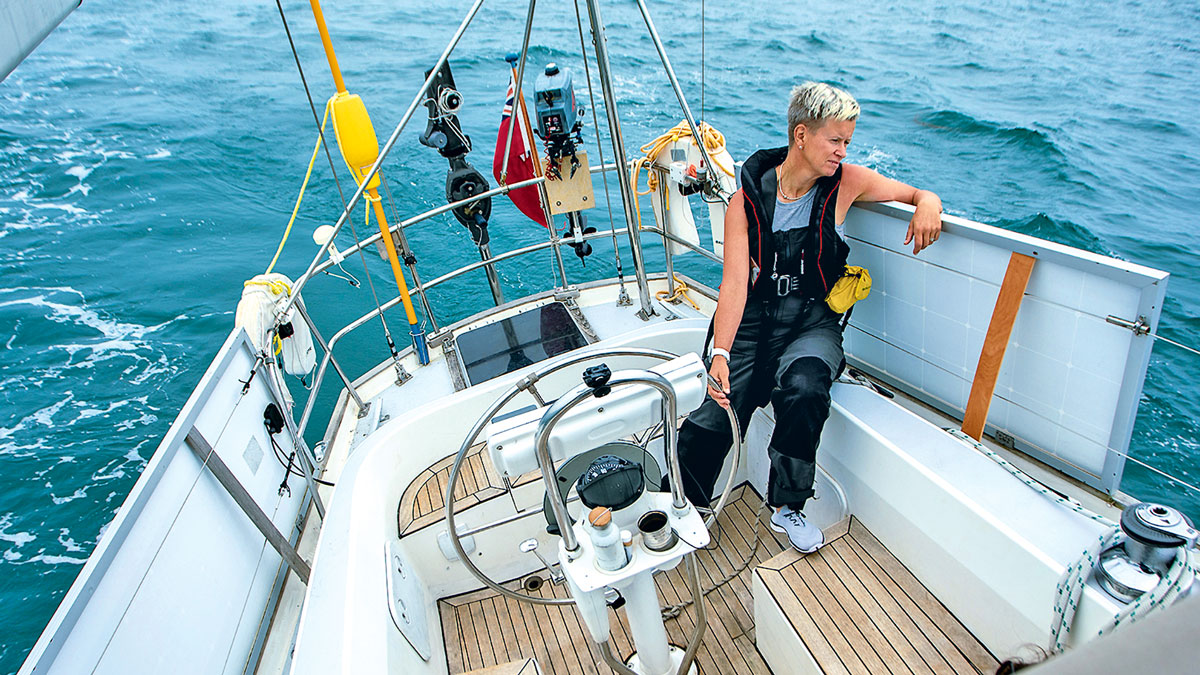
Sailing solo: how to go from crewed to single-handed
Round the world sailor Ian Herbert-Jones shares valuable advice on how to transition from crewed to single-handed sailing
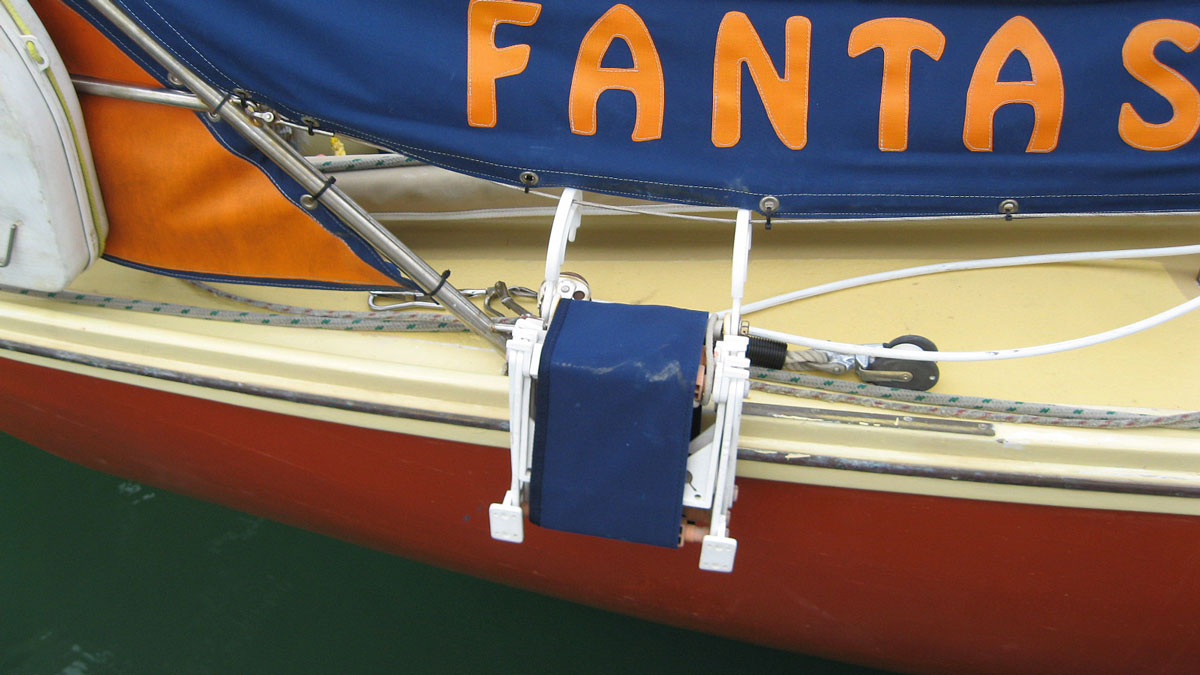
22 practical tips for a single handed sailor to make your boat easier to sail
Doctor Tom Miller shares some ideas to help make single handed sailing a safer and more comfortable experience

14 tips for single handed anchoring
Ben Meakins tries out some methods for dropping and recovering the anchor for singlehanded sailors in crowded anchorages

Sailing through a thunderstorm at Portland Bill: How I survived a solo knockdown
David Edgar experiences a knockdown on a fraught solo sail round Portland Bill as a gale gathers strength
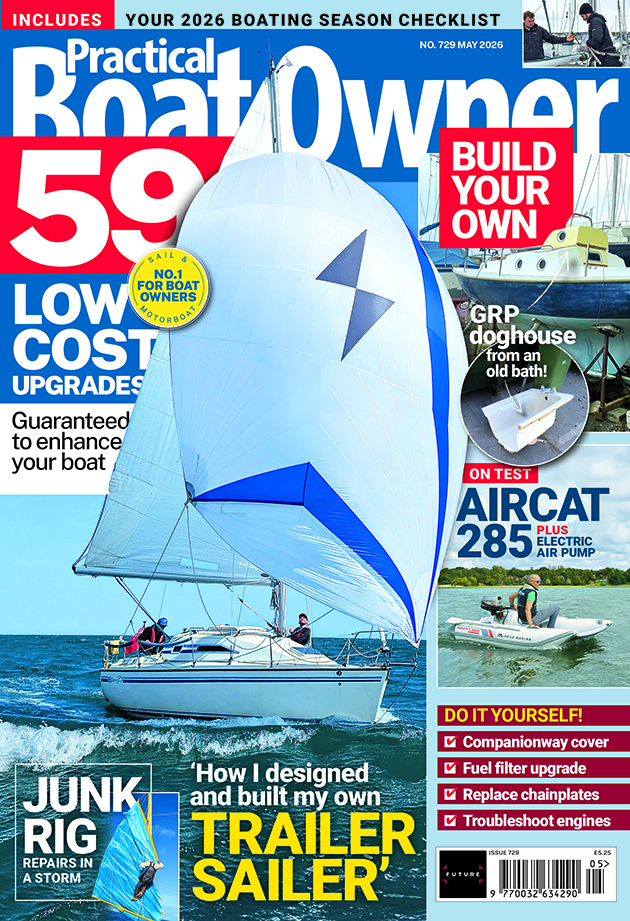
What to read more seamanship articles like Sailing alone: a checklist for solo sailors?
A subscription to Practical Boat Owner magazine costs around 40% less than the cover price.
Print and digital editions are available through Magazines Direct – where you can also find the latest deals.
PBO is packed with information to help you get the most from boat ownership – whether sail or power.
-
-
-
- Take your DIY skills to the next level with trusted advice on boat maintenance and repairs
- Impartial, in-depth gear reviews
- Practical cruising tips for making the most of your time afloat
-
-
Follow us on Facebook, Instagram, TikTok and X