



José-Maria Molina extends the life of his ageing anchor winch
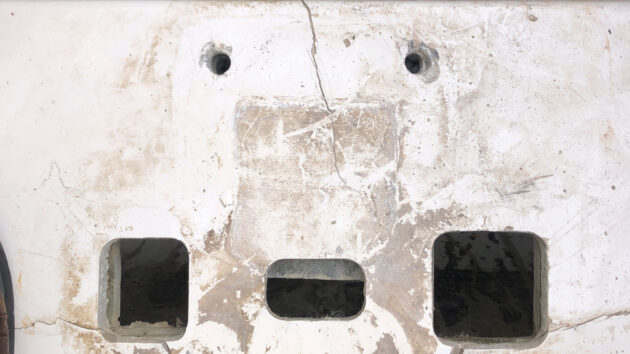
I bought my 2004 Bavaria 38 in 2017 and it came equipped with a 1,000W Lofrans Cayman windlass. During that first summer of boat use, I noticed the glassfibre platform supporting the anchor windlass was cracked. Every time I raised the anchor, the whole assembly would move, making the deck feel unstable.
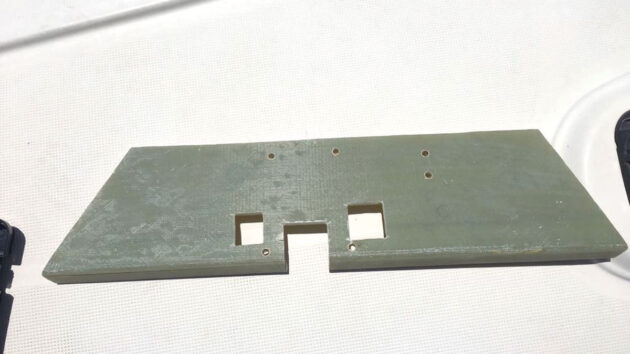
I decided to reinforce the base in the simplest way possible. I cut a shaped glassfibre plate to match the original, including the angle. I took care to preserve the bolt hole in the same place as well as the opening where the chain drops into the anchor locker.
Once prepared, I glassed the new plate onto the underside of the existing base.
Two years later, in 2019 corrosion on the windlass base had become a serious concern – I suspect the damage was caused by saltwater pooling around the base.
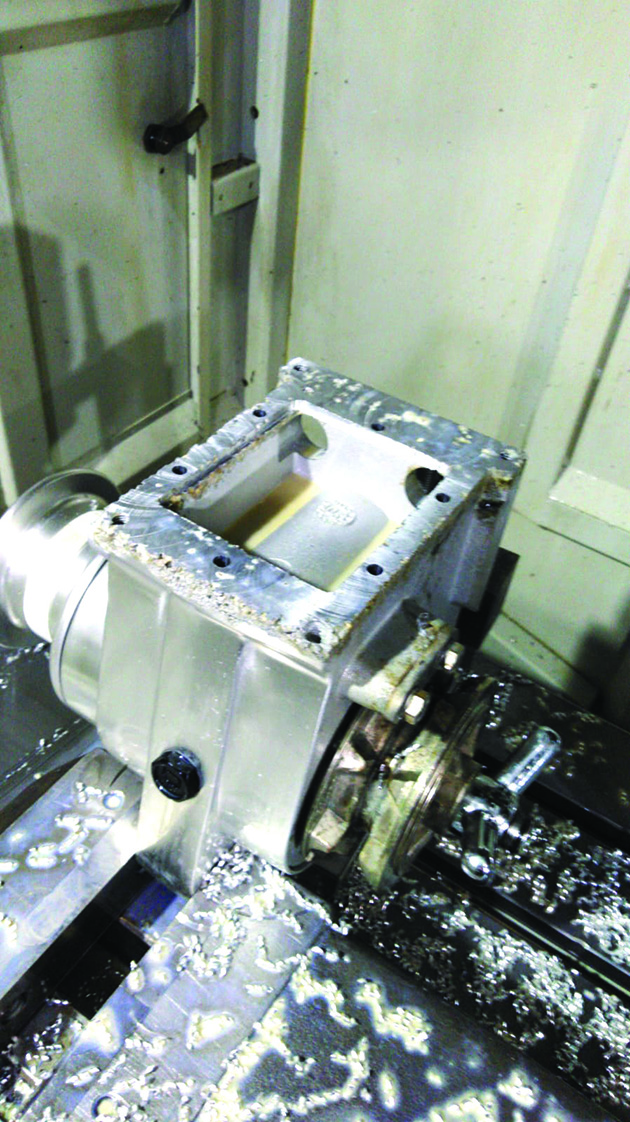
So, I disassembled the windlass, machined the bottom of the body back to good metal and fabricated a thick new aluminium base to replace the metal machined off and act as a protective barrier.
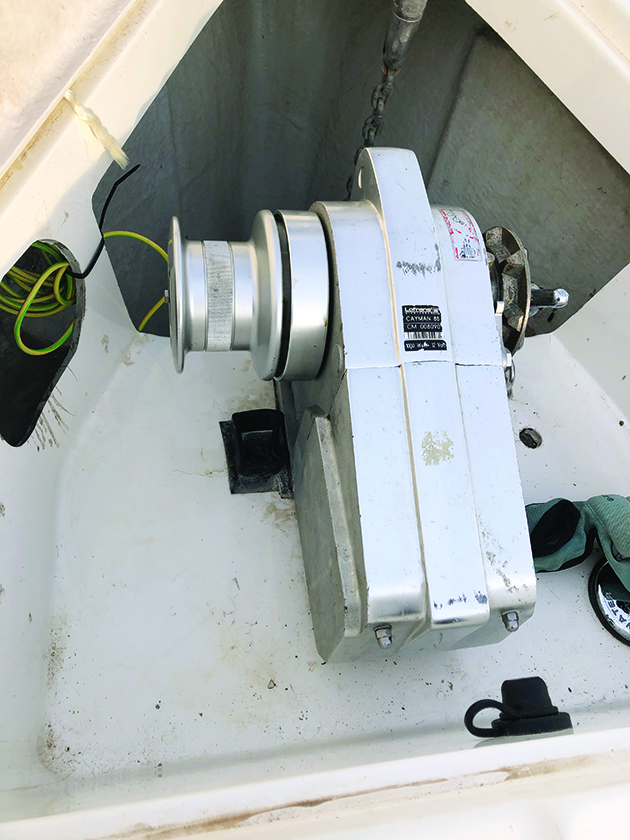
The Lofrans Cayman windlass on the bow of José-Maria Molina’s Bavaria 38. Credit: José-Maria Molina
This also gave me the opportunity to change the oil and inspect the windlass thoroughly. The beauty of this aluminium base was that it could be replaced again if it wore out… and that’s exactly what happened six years later.
Last year, in 2025, corrosion on my replacement aluminium base was once again significant. The fact that I hadn’t had it anodised for protection probably accelerated the degradation.
Thankfully, since the base was bolted directly to the windlass, replacement was again straightforward.
This time, I made a new base from Arnite (PET-P), a high-performance engineering plastic resistant to saltwater. I also added a stainless steel backing plate for extra support underneath the deck.
With this new setup, I hope to significantly extend the life of a windlass that is already over 20 years old.
Strengthening the deck – step by step
Credit: José-Maria Molina
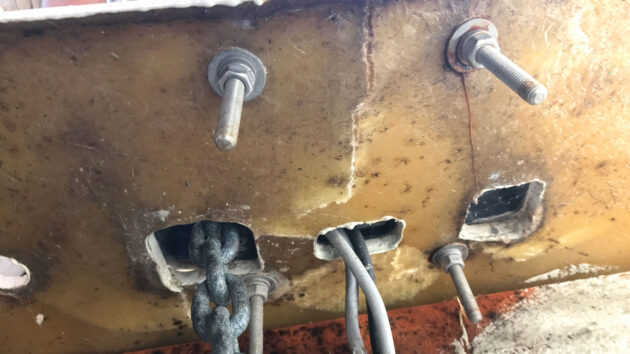
1. The underside of the cracked and sagging deck, seen from below inside the chain locker.
Credit: José-Maria Molina
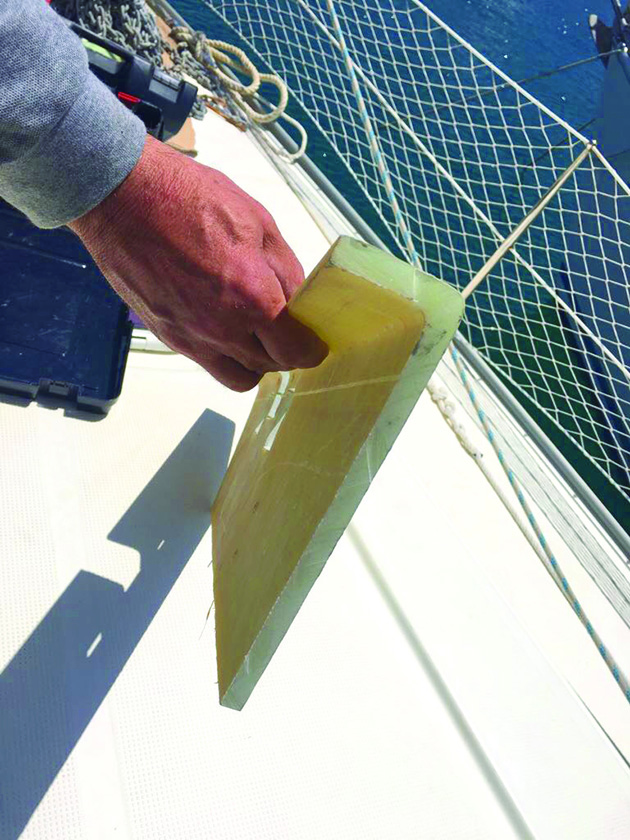
2. A thick, precast solid L-section of glassfibre would act as a beam to strengthen the lip of the chain locker.
Credit: José-Maria Molina
3. The glassfibre L-section cut to shape with holes drilled and hawse pipe cutouts ready for installation.
Credit: José-Maria Molina
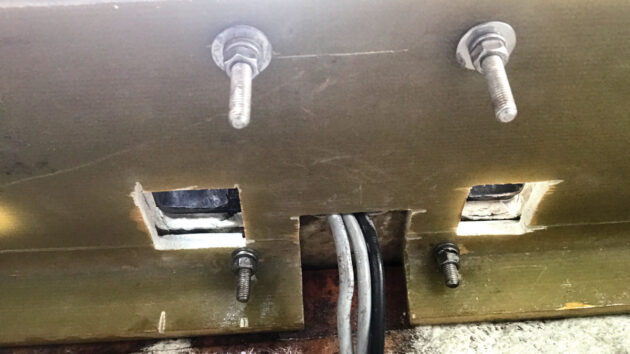
4. Nuts and washers on the windlass bolts helped draw the L-section up tight against the deck above.
Machining a new base – step by step
Credit: José-Maria Molina
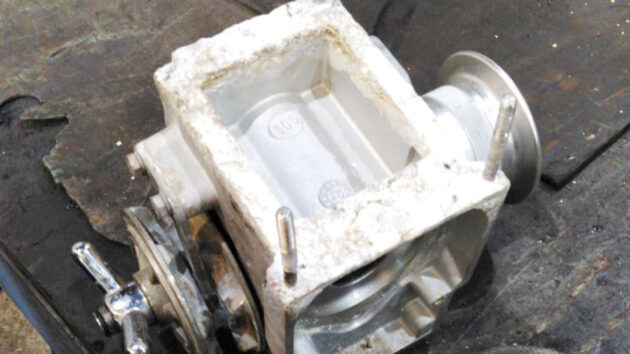
1. The bottom section of the alloy windlass casing had become extremely corroded over time.
Credit: José-Maria Molina
2. Machining the corroded base of the windlass casing back to solid metal.
Credit: José-Maria Molina
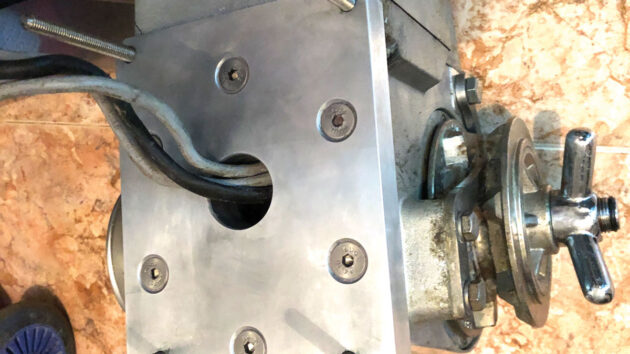
3. New solid plate alloy base was fixed to the bottom of the windlass body with pan-headed Allen screws.
Credit: José-Maria Molina
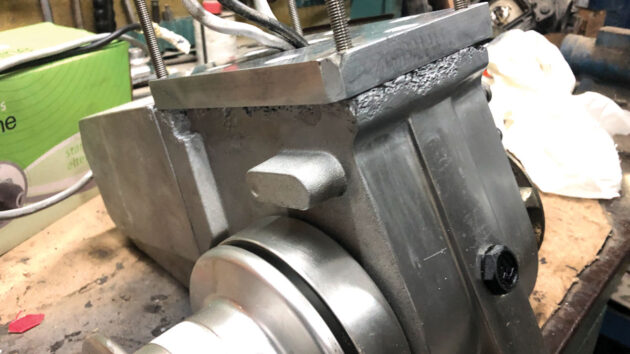
4. New studs were screwed in so the windlass could be bolted back to the deck.
Switching to plastic – step by step
Credit: José-Maria Molina
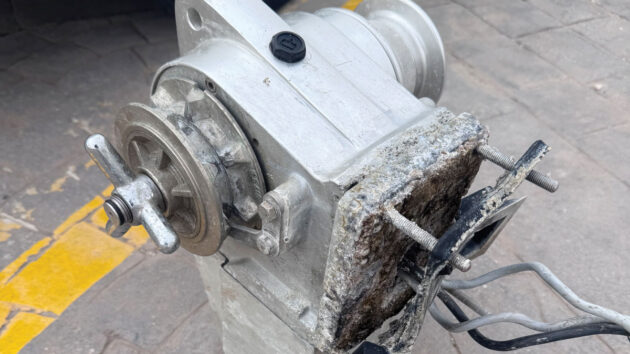
1. Once the windlass was removed, the corrosion of its new (ish) base plate was very evident.
Credit: José-Maria Molina
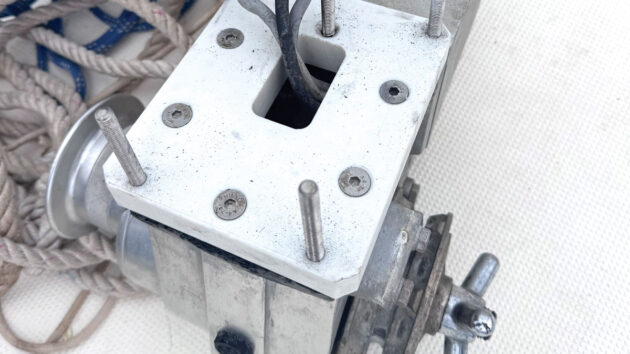
2. A new plastic base plate was fabricated and bolted to the underside of the windlass.
Credit: José-Maria Molina
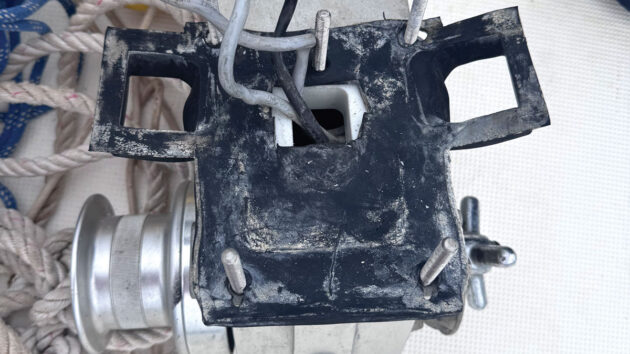
3. The original rubber gasket was cleaned up and slipped over the new base plate.
Credit: José-Maria Molina
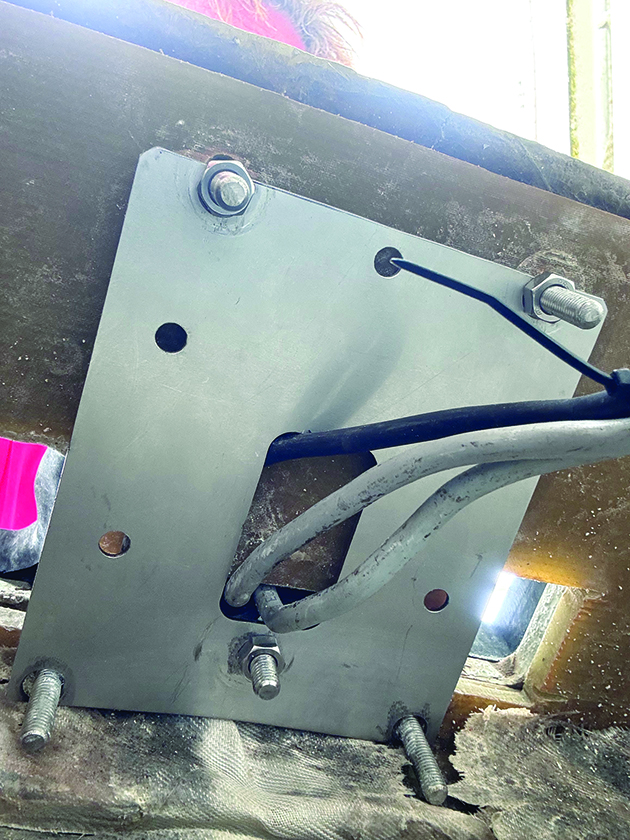
4. A new stainless steel backing plate spreads the load and adds strength under the deck.

Anchoring a boat: How to weigh anchor on a yacht without a windlass
Like many boats of her size and age, and indeed a number of larger and more recent craft, Ammos has…

How to restore a manual windlass as a DIY practical project
Part of PBO’s DIY from Home series: browse all related ‘in the workshop’ articles here I don’t object to the…

How and where to install a new windlass battery on your boat
PBO Ask the Experts is a free service for readers. Simply email us your question and we’ll find an expert…
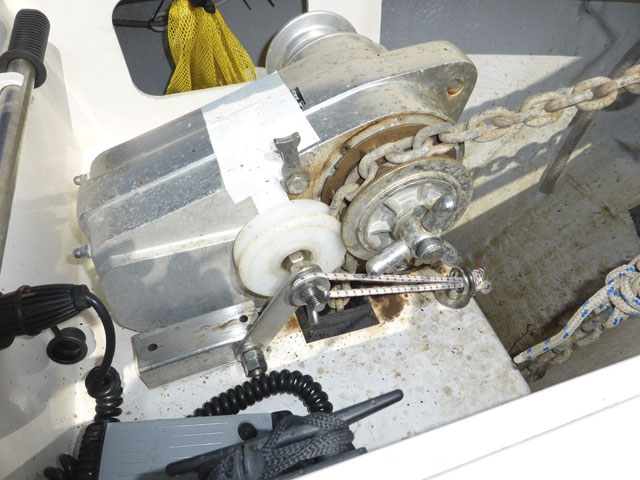
Stop chain jumping on your anchor windlass
Mike Bowyer fabricates a simple solution to stop chain-jumping on his windlass
What to read more practical articles like Anchor windlass repairs to extend its life?
A subscription to Practical Boat Owner magazine costs around 40% less than the cover price.
Print and digital editions are available through Magazines Direct – where you can also find the latest deals.
PBO is packed with information to help you get the most from boat ownership – whether sail or power.
-
-
-
- Take your DIY skills to the next level with trusted advice on boat maintenance and repairs
- Impartial, in-depth gear reviews
- Practical cruising tips for making the most of your time afloat
-
-
Follow us on Facebook, Instagram, TikTok and X