




Corrosion protection in fresh or brackish water is different to salt water. Vyv Cox has this expert advice for those regularly flushing an engine with freshwater
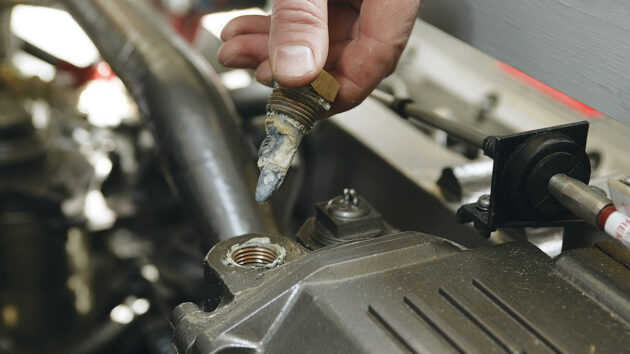
Flushing an engine with freshwater after use is probably a good safeguard against corrosion; however, different metals do react with one another in freshwater.
When a boat is in freshwater an aluminium anode works better than zinc anodes . In which case an aluminium anode should be used if fresh water is contained in the heat exchanger.
When it comes to flushing outboards with fresh water I believe it really is about removing the salt because the salt water is not contained in the cooling pipes.
It would be interesting to know if this is right – I stand to be corrected and perhaps one of PBO’s experts can comment.
Des Clark
Hobart, Tasmania
Metallurgist Vyv Cox responds
I confess that when I had a raw-water cooled engine I only ever flushed it with fresh water at the end of the season. Our boat was kept on a swinging mooring some 20 minutes by dinghy from our launch site and our drinking water was mostly carried in 5-gallon plastic bottles, so far too precious to waste on engine flushing!
Despite this, in some 15 years with raw water cooled engines in three boats we had very little trouble with overheating.
One correction to the original advice: the solubility curve of salt in water is almost flat, ie its solubility in hot water is very little different from that in cold, so it really makes no difference whether hot or cold water is used for flushing.
So far as the anode materials are concerned, zinc develops a white insoluble layer of the hydroxide salt in fresh water, but not in seawater. Aluminium anodes do not suffer this problem hence the advice to use them in mixed or brackish waters.
It would therefore pay to switch to aluminium if flushing was to be carried out on a frequent basis, leaving the fresh water in the engine.
However, whether engine anodes are available in aluminium is another question. I checked for Bukh, which is one of the engines that I’ve owned, the vast majority being zinc – aluminium being very rare indeed.
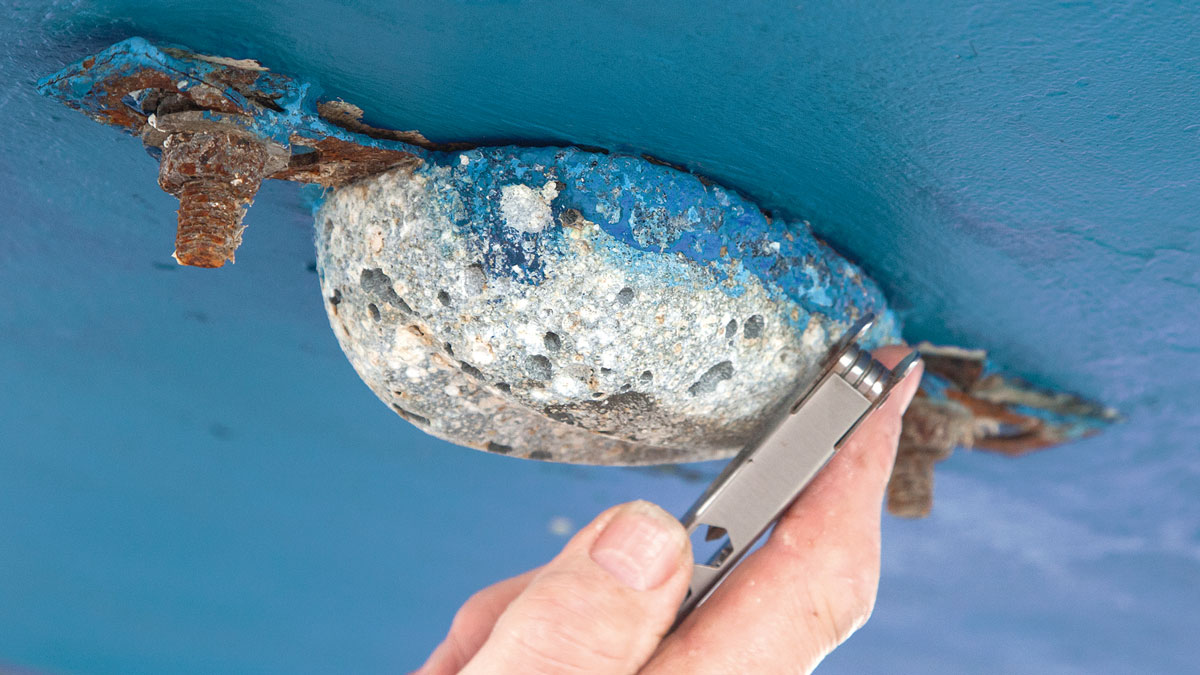
Boat anodes: a practical guide for sailors
Metallurgist Vyv Cox’s guide to anodes, explaining how they work, debunking the myths and showing ways of improving performance
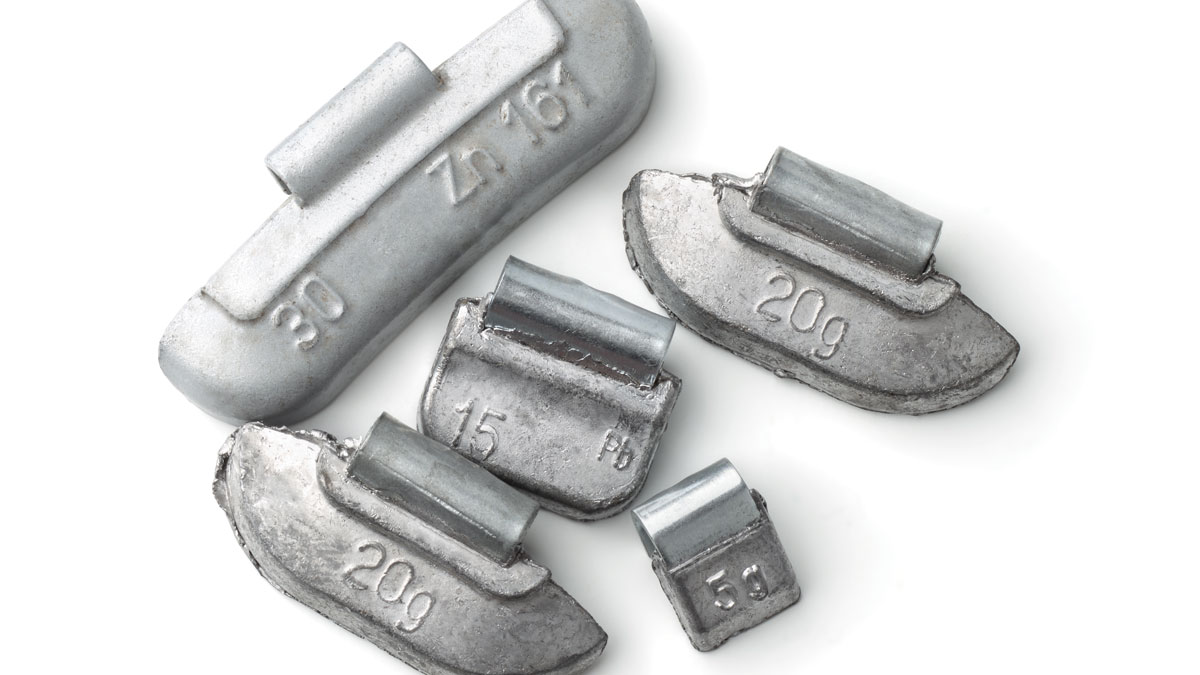
Can you make zinc anodes from car wheel weights?
Can zinc anodes be made using old melted down car tyre balance weights? Vyv Cox has the answer
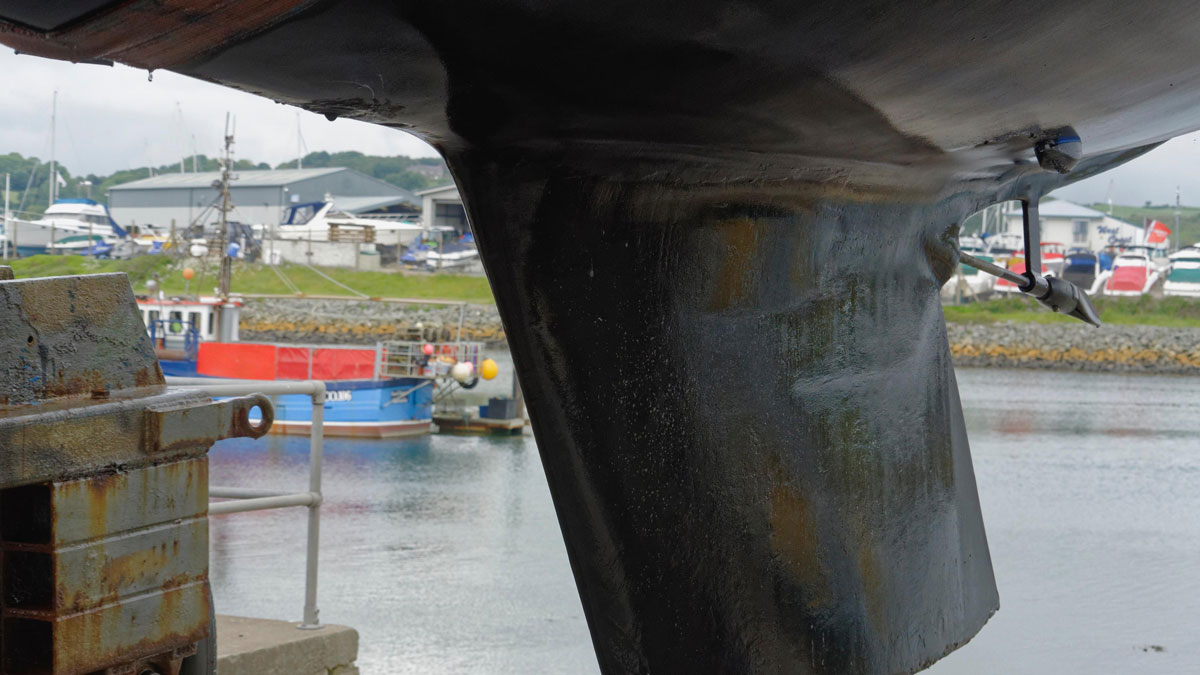
Why are boat owners being urged to switch to aluminium anodes?
Boat owners and boatbuilders across the UK are being urged to switch from zinc to aluminium anodes to help marine…

Boat anode protection: How much do I need to prevent corrosion?
PBO reader Arthur Gilbert asks: “Is it necessary, and if so where, to fit anodes on my recently acquired Leisure…
Want to read more articles like Why type of anode should I be using when regularly flushing an engine??

A subscription to Practical Boat Owner magazine costs around 40% less than the cover price.
Print and digital editions are available through Magazines Direct – where you can also find the latest deals.
PBO is packed with information to help you get the most from boat ownership – whether sail or power.
-
-
-
- Take your DIY skills to the next level with trusted advice on boat maintenance and repairs
- Impartial, in-depth gear reviews
- Practical cruising tips for making the most of your time afloat
-
-
Follow us on Facebook, Instagram, TikTok and X