



Will Spencer explains how to choose and manage a competent and friendly crew for an enjoyable offshore passage
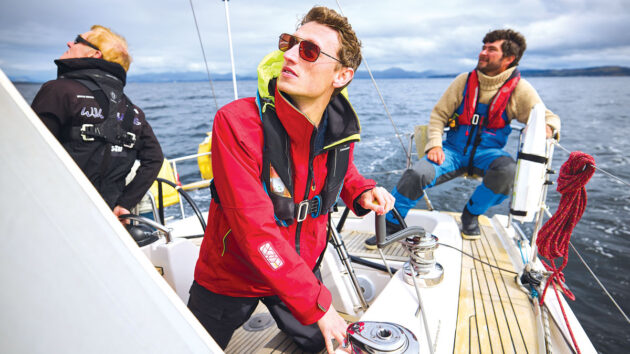
When preparing for a long-distance passage, most skippers naturally focus on the physical boat – the systems, the rig, the sails. But one system often neglected is the boat crew; it’s the people who make the real difference in a successful adventure.
Choosing and managing the right crew is as vital to safety and enjoyment as any technical upgrade, and this article will examine how to build, prepare and lead a capable team at sea.
Every winter, boatyards are full of skippers making the final push toward their next big adventure. Lists are checked, fittings replaced, systems upgraded, and hours are spent selecting sails and servicing winches. But the question I always ask, as an ARC safety inspector and bluewater preparation coach, is: ‘How much time have you spent preparing your crew?’
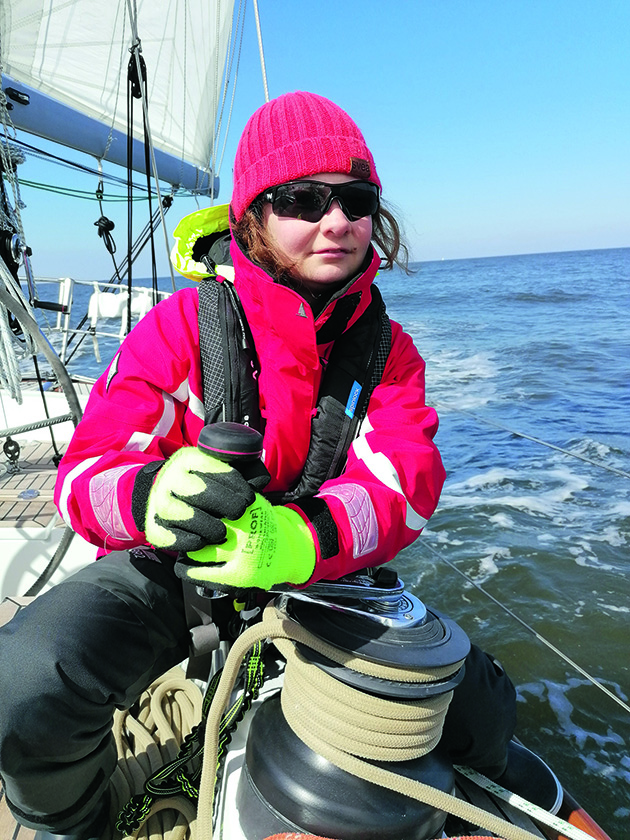
Instil safe habits, like correct winch dressing, during training sails. Credit: Katy Stickland
The crew must also be considered an important ‘system’ aboard a yacht; without them, you won’t get far, and it probably won’t be as much fun. So, it also requires assessment and planning time to get it right.
Over the years, helping owners prepare for everything from weekend passages to Atlantic crossings, I’ve seen a well-managed boat crew turn a challenging trip into a memorable adventure – and a poorly balanced team take the enjoyment out of the most well-equipped boat and perfect sailing conditions.
What makes a good boat crew?
A great boat crew isn’t simply a collection of qualified sailors. It’s a team of individuals who understand the boat, respect each other, and share the same goal: to reach the destination safely and enjoy the journey along the way. There are three aims for inspiring a great crew:
- Safe – everyone understands their role in keeping the boat and each other safe.
- Happy – people are comfortable in their surroundings, understand the goals and feel part of the journey.
- Engaged – each person is learning new skills and contributing to the team. The RYA calls this the “stretch zone”, where a person is being challenged to move beyond their current abilities and learn new ones, in a safe environment. It isn’t all about completing courses, though; a good skipper recognises that sailing offshore demands both competence and compatibility. A Yachtmaster certificate is useful, but a willingness to put the kettle on and maintain a sense of humour when it’s raining at 3am is as important.
As with all your systems on board, you should start crew planning – around 12 months before a big trip like an Atlantic crossing allows time for crew to be found, selected, trained and form a close team. We all lead busy lives, so making sure dates are in diaries as early as possible is a great start.

The best crew members are those who understand safety, are comfortable in their surroundings and engage with others. Credit: White Dot Sailing
Define your requirements and build your boat crew pool

Make sure family and friends know what’s required of a crew. Credit: Rachael Sprot
Even with ‘ready-made’ crews that are drawn from family and friends, it’s still essential to define what will be required of them. This is often dictated by the yacht and the adventure; it may sound too formal for family members you’ve sailed with for years, but it’s worth it in the long run. Starting your crew planning early gives you time to find the right people and complete additional training sails together. Recruiting crew is about inviting people on a journey, so be clear about the story from the outset.
- The adventure – the route, the type of sailing, and expected conditions.
- Timescales and commitments – be specific on how many training days there’ll be, whether you want crew to join delivery legs, and likely departure and return dates.
- Costs – who covers what: flights, food, fuel, personal safety gear, insurance, mooring fees.
- Expectations – what level of skill you will need (solo watch-leaders or competent crew), dietary or medical requirements (vegetarian, allergies?), and the attitudes you value.
Being transparent avoids awkward conversations later and helps you attract people who genuinely fit the plan. Look within your own network first – family, friends, sailing clubs, marina neighbours. Crew-finding sites can widen the pool, but detailed conversations are vital to ensure they are the right fit.
Ask potential crew about their sailing experience, but also why they want to go. Someone seeking solitude may struggle on a lively boat; an adventurer chasing speed records may tire of a cruising pace.
Assessing your boat crew: from CV to sea trial
Once you’re clear on what you are looking for and have built a pool of possible crew, it’s time to start assessing your options and choosing the right person or people
to join you.
- Remote or in-person – a relaxed chat to work out attitude and expectations.
- Questionnaires – formal or informal, asking about experience, comfort zones, medical details, dietary needs, and sailing goals. We use these as part of our assessment phase for crew (including the skipper) on our bluewater adventure projects.
- Trial runs or shakedown sails – the best way; you get to observe how they operate aboard.
Even if you think you know someone well, ask about broader skills and interests: maintenance, first aid, fishing, photography, cooking, weather routing or even good jokes. These talents can transform life on board.
Avoiding surprises from your boat crew
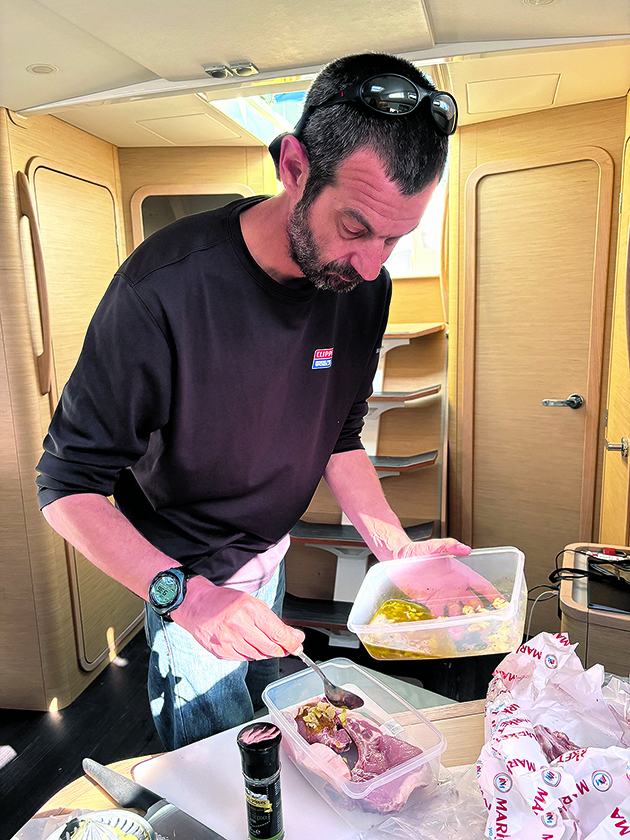
A good watch system will make sure routines, like crew cooking, run smoothly. Credit: Katy Stickland
The last thing you want is hidden habits surfacing mid-ocean. I once heard of a crew who stepped off their boat and immediately went their separate ways after one transatlantic crossing, and it all started over cheese! One crewmember had spent the first few night watches quietly eating all the cheese aboard.
It sounds trivial, but it really affected crew morale; as soon as there was none left, everyone wanted some and it started to drive a wedge between them and the rest of the crew. The result was a complete crew breakdown and a passage to forget.
Crew training sails are the best way to confirm that everyone understands safe habits: wearing lifejackets, clipping on at night, using gas responsibly, and dressing a winch correctly. A quick correction on a weekend sail can prevent a serious incident later.
In my experience, enjoyment of coastal sailing doesn’t always translate into the same experience when offshore. A reliable gauge has always been a 3-4-day passage out of sight of land; this gives each person time to adjust to living aboard and all that it entails. Building a trip like this into the trial sails or training stage is vital.
Keeping a training record
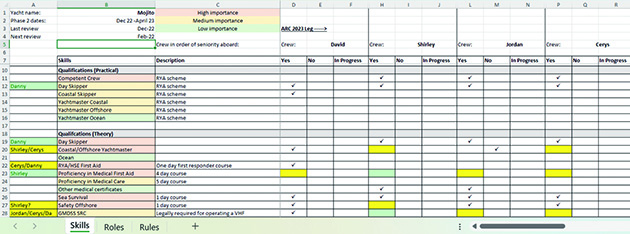
An example crew matrix. Credit: White Dot Sailing
Creating a crew matrix that lists which skills you’ll need on board during the passage, then cross-referencing those with the skills of each crew member, will enable you to see where your gaps and overlaps are. This is also a helpful tool for watch selection, as we’ll see later.
These are some of things to consider.
- Hard skills (learned) – RYA qualifications, sea survival, offshore safety, cooking, languages.
- Soft skills (personality) – leadership, endurance, communication, positivity, adaptability.
- Experience – coastal/offshore miles, night sailing, watch keeping, boat owner, engineering/medical.
- Suitability – fitness, health, dietary requirements/allergies, medication, insurable? Swimmer?
Training and familiarisation: turning crew into a team
A group of individual sailors becomes a team when everyone understands both how to run the boat and work with each other. Taking time to build your team before departure pays dividends later.
Aim for complementary personalities and abilities. A mix of confident watch-leaders, steady helms, practical engineers and enthusiastic learners works best. Creating areas of responsibility, agreeing on procedures and sharing goals reduces the risk of tensions aboard, especially among experienced sailors.
Plan the training phase
Based on the skills gaps highlighted in the crew matrix, you’ll be able to create a training planner with key milestones: skills to be achieved, shakedown sails following the boat’s yard period, system briefings, and delivery legs.
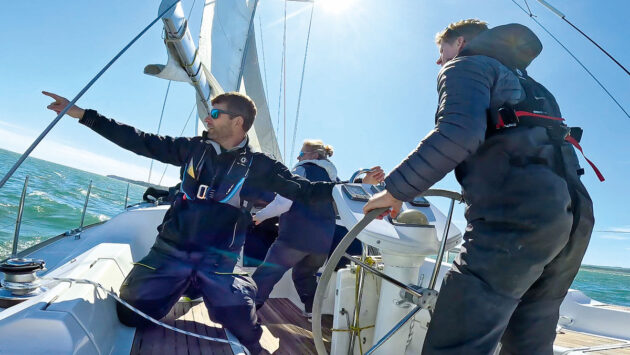
Training should include man overboard procedures. Credit: Theo Stocker
Onboard training should include:
- Boat systems –electrics, watermaker, gas, pumps, comms.
- Sailing operations – reefing, sail changes, downwind sailing.
- Safety procedures – man overboard (MOB), fire, flooding.
- Daily routines – cooking, cleaning, maintenance.
Some skills can be taught in classroom settings – things like RYA diesel engine maintenance, first aid, sea survival, VHF courses and astro navigation. These can be added to a training planner and are a good excuse for the crew to meet and complete together.
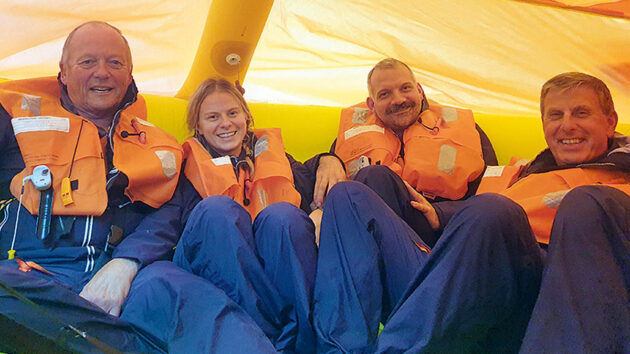
Make sure all crew have completed sea survival training. Credit: Albany Communications
Track skills progress and update your crew matrix to ensure all your minimum requirements are met so, for example, at least one crew member holds a VHF Long Range Certificate; all crew have completed sea survival and first aid training, with at least one to have completed further training like the Maritime and Coastguard Agency’s Proficiency in Medical First Aid; a least two crew can operate the radar, if fitted; each watch leader can helm in heavy weather and downwind; each watch can reef sails and initiate man overboard (MOB) procedure.
Recording competencies will build everyone’s understanding of where they fit in the team.
Rehearse real scenarios
As well as standard manoeuvres like sail changes and MOB drills, include realistic ‘what if’ drills. What if the steering cables snap? Can your crew rig up the emergency tiller? What if you find water in the bilges?
Practise routines too, like writing the log, receiving weather updates over satellite communications, cooking, hygiene, and cleaning rotations. Making these familiar and delegating to various crew will create a relaxed atmosphere aboard, where the skipper doesn’t have to prompt people on routine tasks.
Try this: simulate a power failure for one hour – how quickly can you adapt?
The skipper’s role: leading, not just sailing
Many owners become the skipper by default and this position deserves preparation too; it’s not an easy role, taking responsibility for both the crew and decisions ranging from navigation to safety. Offshore leadership isn’t only about seamanship; it’s about clarity, communication and composure.
Deciding early how hands-on you’ll be is important; when coaching unless I’m demonstrating a manoeuvre requiring me to, I’ll never take the helm. Being hands-off gives me one less job to worry about and freedom to move around the boat. I apply the same ethos when skippering, too.
Will you sail as part of the watch system or remain outside it? Are you doing the technical preparation yourself, or delegating to crew and contractors? Do you prefer leading from the helm or overseeing the bigger picture?
Being honest about your style avoids frustration later. Know your own strengths and weaknesses and think through your own readiness – just as you would any system aboard.
For example, it is your responsibility to make sure standard operating procedures (SOPs) are drawn up for all emergencies onboard, but the creation of these can be a team effort using training sessions onboard drawing on the whole crew’s experience and not relying on yours.
Another example, before departure, a crew briefing should always be held covering watch routines, safety drills, communication rules and meal plans among other items. These topics can be shared with the crew, so they can brief each other, creating a team ethos and making sure each one is understood by the whole team on board.
Watch systems: balancing safety, rest and routine
The goal of a good watch system is to keep the yacht sailing safely, ensure everyone gets enough rest, and maintain smooth routines on board. There are many ways to structure a watch system depending on crew size, ability, boat setup, passage length, and the skipper’s involvement.

Make watch systems flexible to allow for heavy weather or crew illness. Credit: Richard Langdon
You may need to experiment to see which works best for your crew, or even swap between them depending on the onboard situation. Whichever option you choose, it helps to write it up and stick it somewhere visible, so it remains valid even as the crew lose track of time and days.
A watch rota should also help clarify to whom and when the responsibilities fall for things like meal preparation and washing up, if everyone is eating together or within watches, and cleaning duties.
It can also help to schedule and make crew responsible for maintenance tasks like rig checks (deck level), bilges, safety equipment and chafe inspection.
Common watch systems
4-on /4-off
(Simple two-watch system)
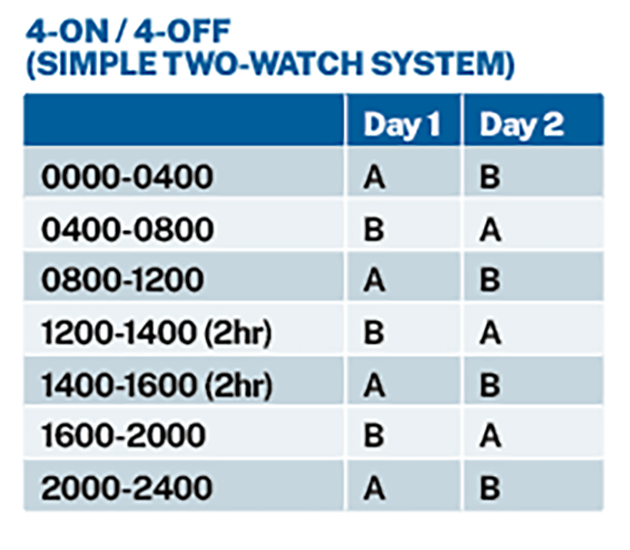
- Pros: works well for four crew (two per watch); this is easy to manage and remember. Uses short ‘dog watches’ midday to rotate pairings.
- Cons: With longer watches, it can become tiring, so it might not be the best option for longer passages. The exception to this is a double-handed crew.
3-on/6-off
(Rotating three-person system)
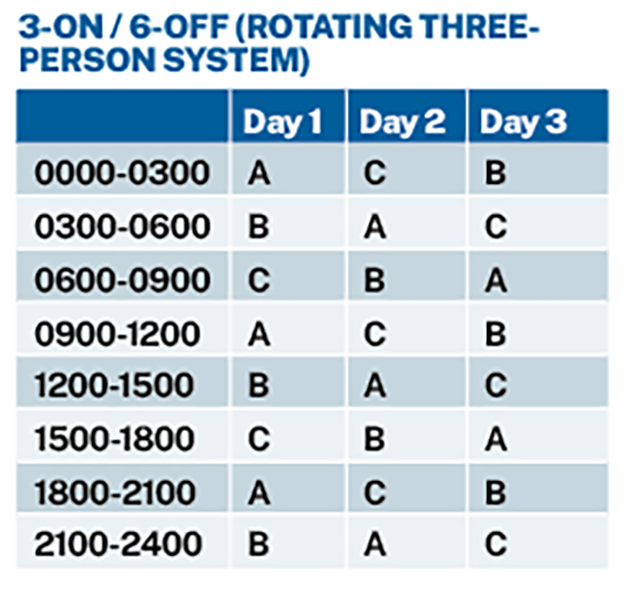
- Pros: better sleep/watch balance with shorter watches and longer off-watch time. Works well with an experienced crew. Each member becomes a watch leader.
- Cons: for three crew this requires single watches, so the boat must be set up to be largely ‘hands free’ and the crew must be suitably experienced.
4-on/4-off
(Staggered)
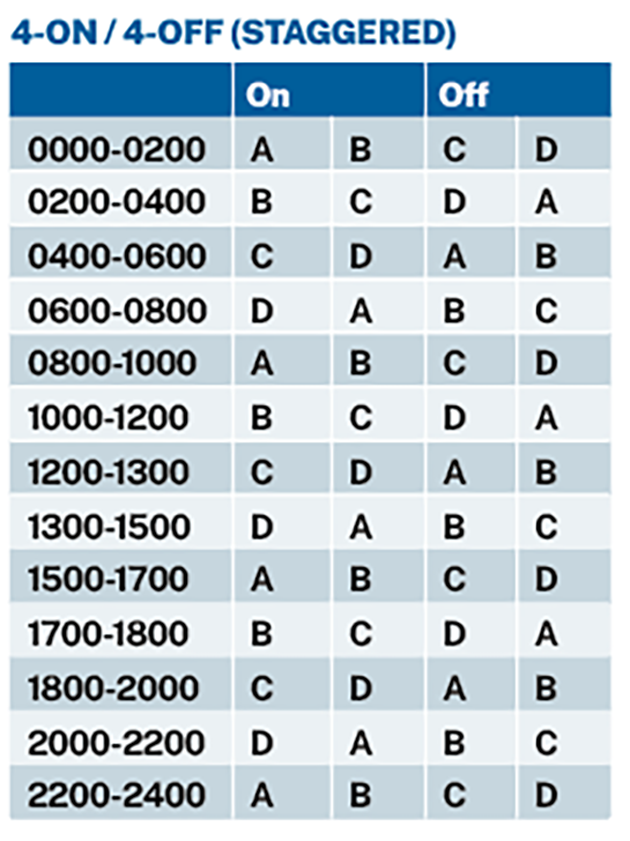
- Pros: consistent sleep cycles with longer rest periods. Ideal for longer ocean legs
- Cons: more complex to plan
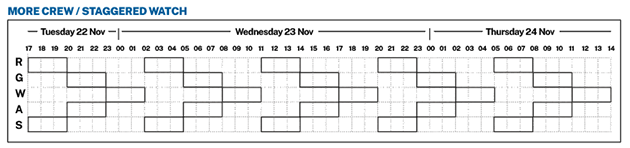
MORE CREW
(Staggered)
Credit: White Dot Sailing
Below is a variation with more crew and a staggered on-watch time, so watches are mixed up with different crew. The first 3 crew are watch leaders.
- Pros: Variety in both watch times and crew, more sociable. Suitable for mixed-ability crews.
- Cons: Avoids fixed pairings, but is more complex to follow. The strongest two watch leaders will have a short amount of time solo on deck.
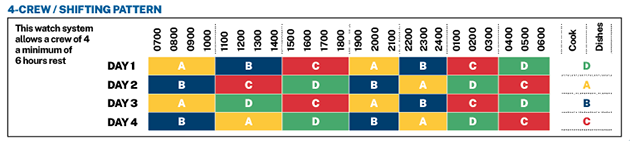
4-crew shifting pattern
(6-hour rest minimum)
Credit: White Dot Sailing
- Similar to the previous shift pattern, but this allows the crew to keep their watch hours and sleeping hours grouped roughly in the same part of the day. This is helpful for those who like to keep some consistency to their system.
Time to think
Will you change time zones or stay on UTC? If so, how will you adapt the rota to align? This becomes an important question with an Atlantic crossing, where you are moving through sufficient time zones that sunset and sunrise times change significantly.
Watch systems should be as flexible as possible; there may also be a need mid-voyage to change the watch system. You may need to adjust due to crew illness or fatigue, personality mix, weather conditions or issues with the yacht.
A good skipper should regularly check in with each crew member – is everyone sleeping well, do duties feel fair, is communication clear, are there any simmering tensions or unvoiced concerns? And is there anything that needs to change?
A reliable boat and a reliable crew are both essential to a well-organised and safe trip, but they need to be integrated.
The time this takes should not be underestimated; when your boat and crew are both ready, that’s when you can truly enjoy the adventure, confident you’ve done everything possible to prepare for whatever the ocean brings.
Your ultimate checklist to prepare your yacht’s systems for an ocean crossing
Completing an ocean crossing, such as the traditional transatlantic passage from the Canaries to the Caribbean, is a bucket list…
Vane gear self-steering: you guide to an offshore sailor’s best friend
Andrew Simpson looks at pendulum servo self-steering gears, and describes how to get the best out of them
200 miles offshore with no rudder: How four sailors built a jury rudder from cabin doors
Stranded 200 miles offshore in big seas without a rudder is every sailor’s nightmare. The crew of Quokka found a…
First-time boat skipper: tips for your first voyage in charge
Skippering a yacht for the first time is a pivotal experience; one that's rewarding if done right. Rupert Holmes explains…
What to read more seamanship articles like Why your boat crew is the most important system on board?
A subscription to Practical Boat Owner magazine costs around 40% less than the cover price.
Print and digital editions are available through Magazines Direct – where you can also find the latest deals.
PBO is packed with information to help you get the most from boat ownership – whether sail or power.
-
-
-
- Take your DIY skills to the next level with trusted advice on boat maintenance and repairs
- Impartial, in-depth gear reviews
- Practical cruising tips for making the most of your time afloat
-
-
Follow us on Facebook, Instagram, TikTok and X