



Slow sailboats leave no wake, and the minimal water disturbance also means greater opportunities to observe marine life, says Clive Marsh
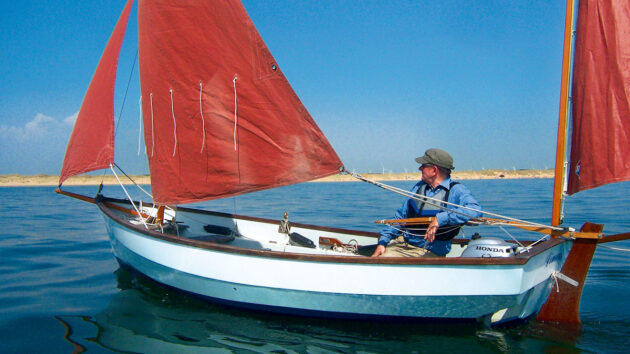
Much as I enjoy speeding in a river, I prefer a sailboat that leaves virtually no wake or prop wash since this is more acceptable to wildlife.
For me, one of the great pleasures of boating is seeing and listening to marine animals, and this is easy in a sailing yacht, especially one with the right sort of shape. More on that later.
I particularly like seals. They eat a lot and I can understand a fisherman’s frustration with these marine mammals but at my home port of Rye, some fishermen feed them with leftovers after filleting. If you live near an offshore wind farm you’ll find that the seals feast mainly under the turbines where the fishermen can’t go. Perhaps unexpectedly, wind farms have created rich, undisturbed breeding and feeding grounds.
No wake
My first experience of seal spotting was on a trawler out of Great Yarmouth at the age of 13. They were lounging on the Dogger Bank and our presence was not welcome – we’d disturbed them from their rest and digestive time.
Many years later we visited Blakeney and the Norfolk Coast to see herds and colonies of seals stretching from one end of a beach to the other. By now we’d learned not to get too close, not to threaten or disturb, not to stare, not to go near pups and so on. And if you happen to be in the water, do not swim towards them, as they may become nervous and have sharp, infectious teeth. However, they are not aggressive in any other way and will approach you if they feel like it.
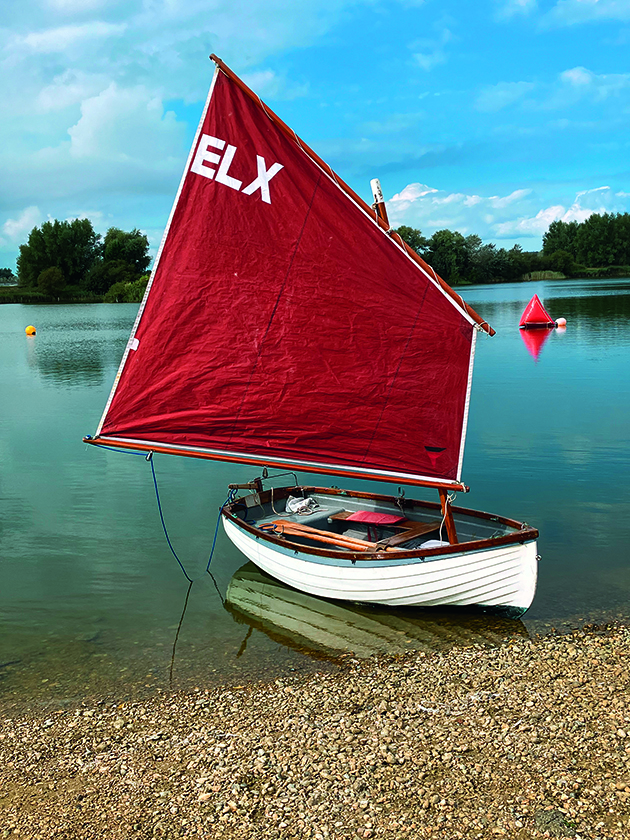
Clive’s Emsworth Lugger leaves no wake. Credit: Clive Marsh
One summer day, I was hanging over the transom of my pocket yacht with a screwdriver trying to fix a dodgy pintle. My hair, which was longer then, was in the water and my nose was just inches above. Just at this moment, what looked like a wet spaniel popped out of the water only inches from my valued nose.
It looked at me right in the eyes, and we stared at each other, transfixed. I instinctively said ‘hello’.
I suppose he or she (how can you tell the difference with a harbour seal?) was trying to work out what this upside-down head thing was, and, since a seal’s curiosity centres around food, I was beginning to feel a little vulnerable. But this seal had good manners.
It slid back under, leaving no wake, and popped up a few metres away, still staring at me. I slithered back into my cockpit, and we viewed each other before parting company. Encounters like this are rare, but they’re always a thing to remember.
I’ve noticed that marine life seems to tolerate my little Emsworth Lugger and my Smack’s Boat more than many other boats. This is not only because they’re slow, but they’re boats that leave no wake and hardly disturb the water. Nature appreciates this. Gulls resting on the water don’t move until the last few seconds and then only by a few feet; cormorants stay put on their perch posts as we glide past.
Minimal Wash
Without going into any great technical detail, you can just tell that the Emsworth Lugger’s hull shape will create little disturbance. It parts the water gently which then flows down the sides and leaves cleanly via the curved and pointed stern with no noticeable wake. At her displacement speed, she is probably the cleanest boat through the water I’ve owned.
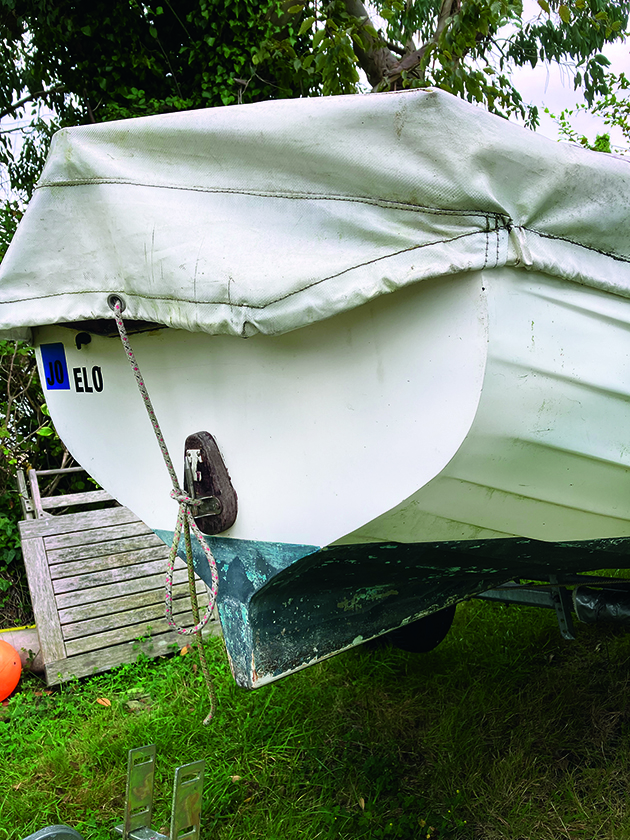
The after end of the Emsworth Lugger. Credit: Clive Marsh
Her hull moulding was taken from a craft more than 100 years old that has a similar underwater shape, like the Viking ships of old. The Emsworth Lugger’s waterline length is only 9ft which gives a displacement speed of around 4 knots. However, when pushed she will rise above the constraints of displacement and if sailed upright still leaves virtually zero wash.
Of course, hulls are designed for different purposes. Take my Tideway’s back end. It leaves an almost clean wake but is a tad flatter and consequently not as clean as the Emsworth Lugger’s wake.

Viking Long Boats– the classic hull shape from which many boats have evolved. Credit: Albert Knapp/Alamy
However, the Tideway’s shape provides more buoyancy aft. And so, the compromises go on until we get to a speed boat with a deep vee entry and flat stern that may leave plenty of wake at say 10 knots and perhaps less when on the full plane. But of course, a motorboat will leave prop wash in addition to hull-generated wake.
The herd of seals at my home port of Rye has increased in the past few years. When I sailed my Emsworth Lugger upriver I counted 15 lounging on the muddy riverbank. An outboard motorboat passed between my boat and the seals and was obviously too close for their comfort as they raised their heads and started to slide down the mud bank and back into the river. Later, as I returned downriver with the ebb, the seals were back on their mud and took no notice of me.
Lasting Design
Boats are built for a purpose; a flattish bottom for a cargo barge, foils for America’s Cup boats, long keels for ocean cruisers etc. But for the sort of sailing that most of us do around the coast, there is little to improve upon the traditional hull shapes that have evolved.
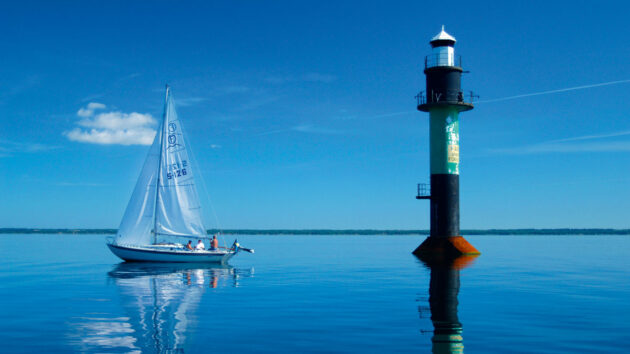
Folkboat – no wake or wash. Credit: croftsphoto/Alamy
Most of the dinghy clubs I have belonged to like racing with fast planing hulls, but when the wind and waves get to more than Force 4 they start capsizing all over the place, all part of the fun with a safety boat present. But I prefer a boat that has evolved to cope with a variety of conditions, and the little Emsworth Lugger does just that.
One small sailing cruiser that leaves little wake is the Folkboat. We have a derivative at Rye, an Invicta 26, which is so clean through the water that you can’t see any wake at all. If you have an appropriate mooring for a deep, long-keel Folk-type boat, you can pick one up very reasonably. Tempting, but not the best for a drying Rye mooring.
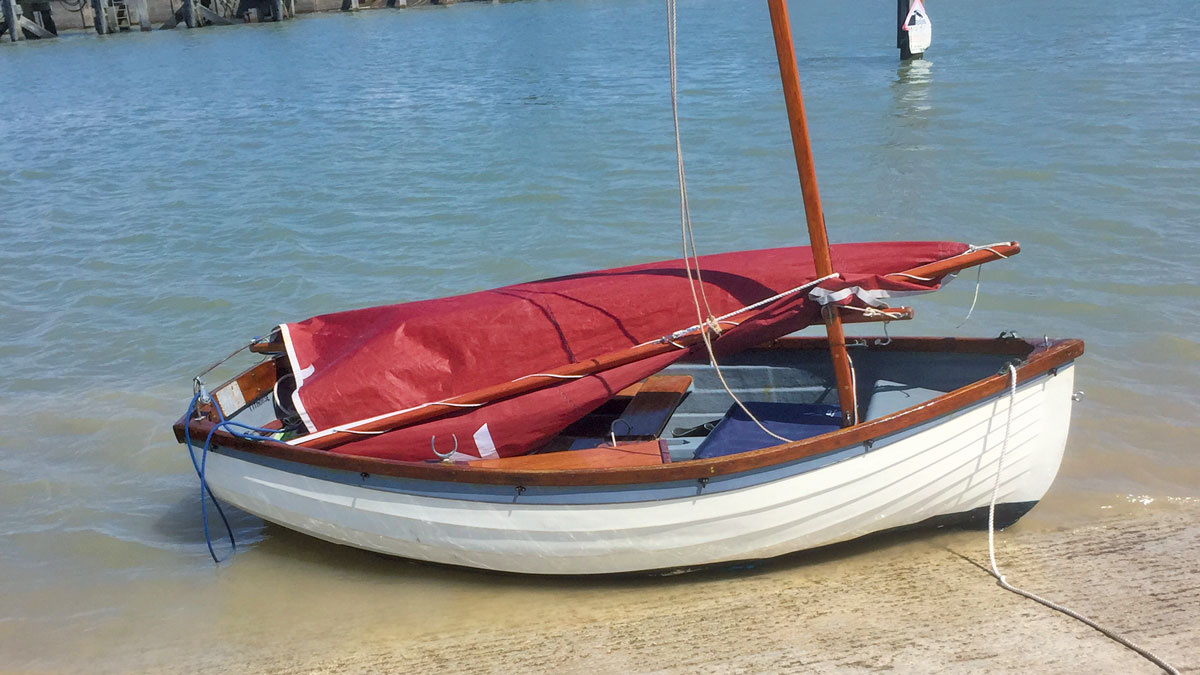
Emsworth lugger: the easy to handle dinghy
Simple lug rigs for ease of-handling make these ‘popular tenders for discerning sailors’ Clive’s choice for single-handed dinghy cruising
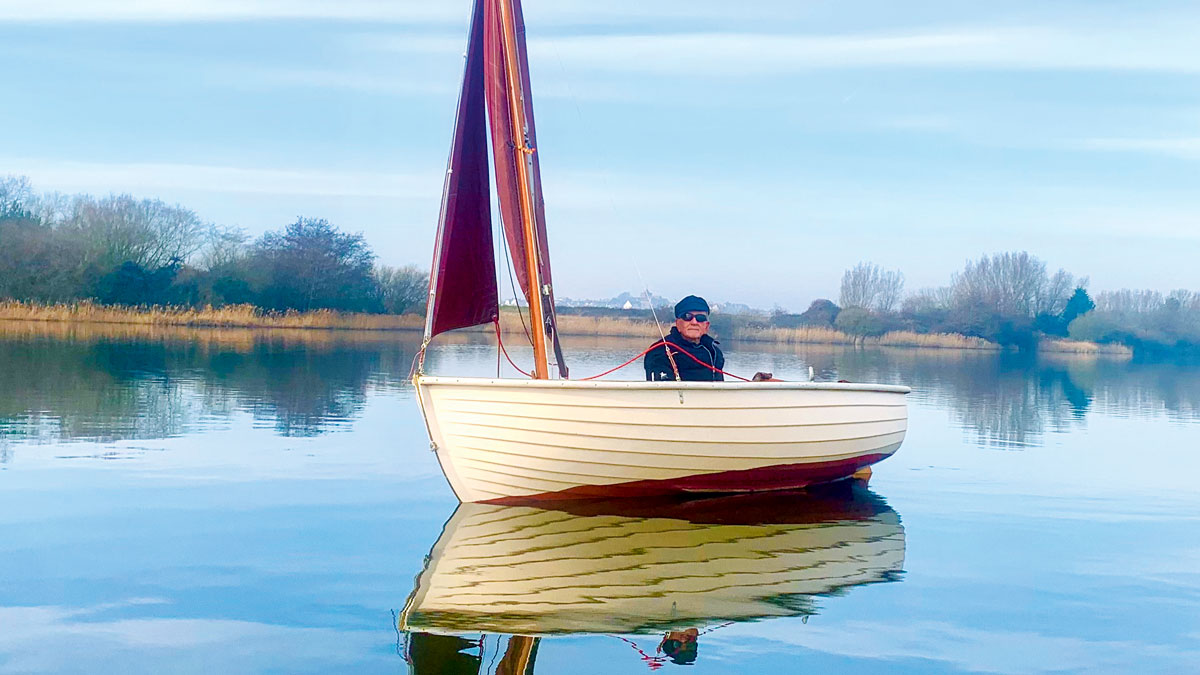
Tideway 10: Gunter or Lugger?
The trailerable Tideway 10 has the benefits of her sister vessel, the Tideway 12, but is lighter and easier to…
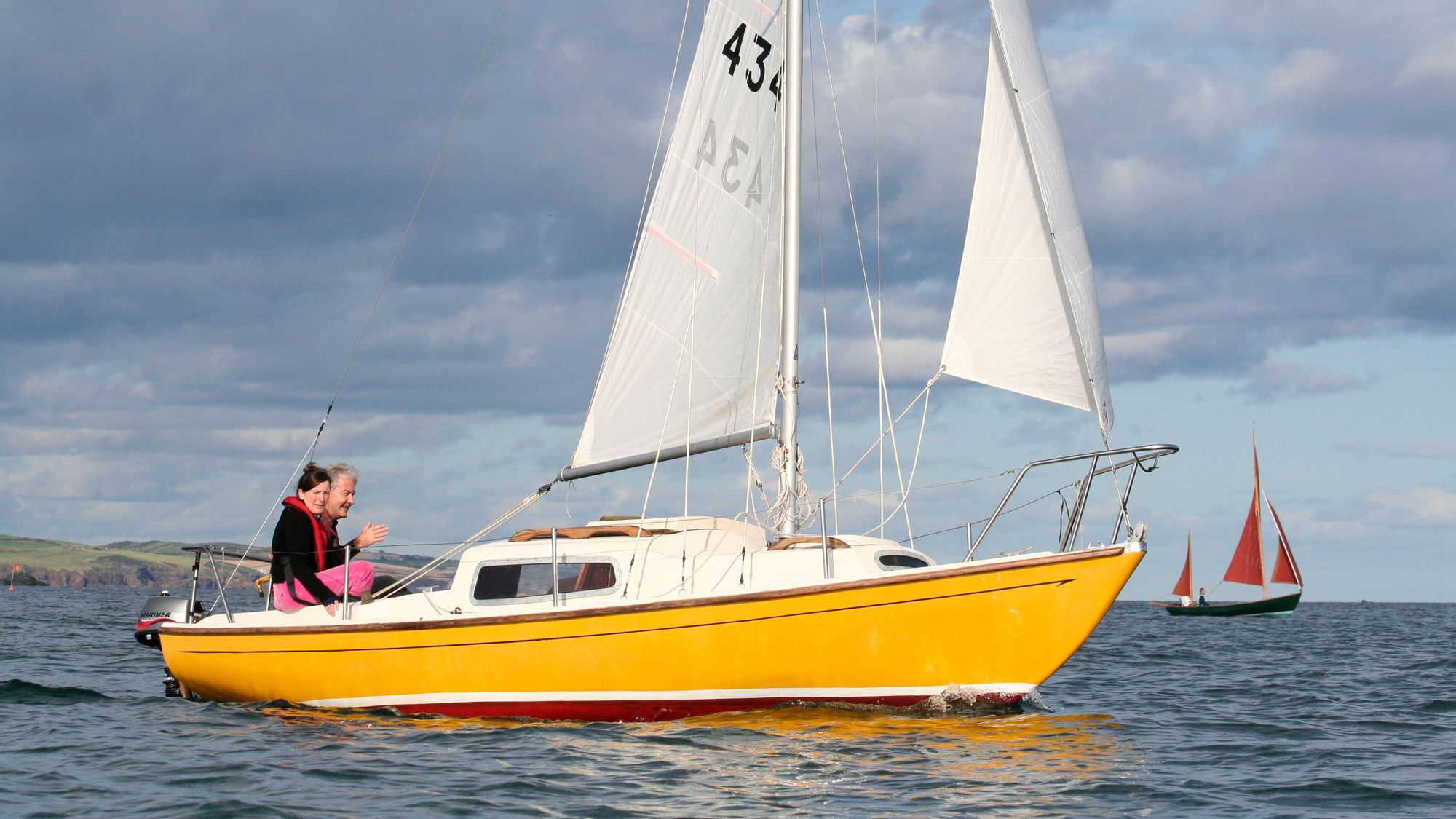
Corribee Mk2 vs Silhouette Mk3: which is the best pocket cruiser?
In his latest used boat review, Clive Marsh compares two of the best small sailboats for sale. The Silhouette Mk3…
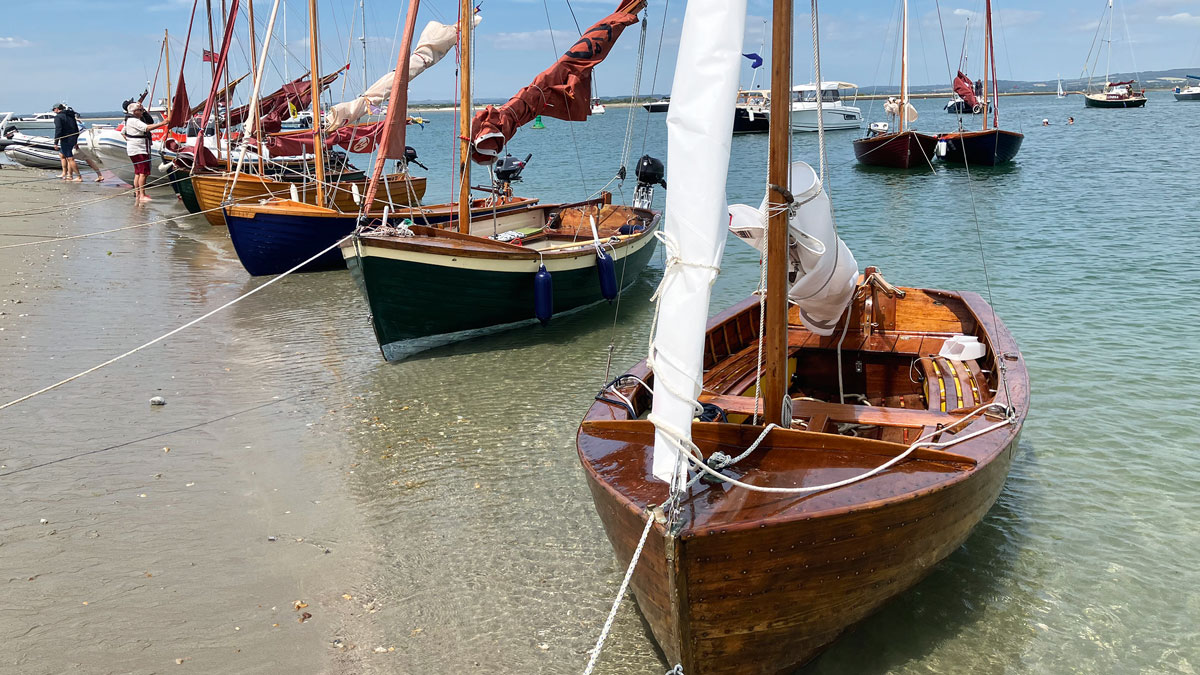
The Tideway dinghy: celebrating the classic trailer-sailer
While the 10ft option is easy to row and a delight to sail, Clive hails the 12ft trailer-sailer as one…
Want to read more articles like this?
A subscription to Practical Boat Owner magazine costs around 40% less than the cover price.
Print and digital editions are available through Magazines Direct – where you can also find the latest deals.
PBO is packed with information to help you get the most from boat ownership – whether sail or power.
-
-
-
- Take your DIY skills to the next level with trusted advice on boat maintenance and repairs
- Impartial, in-depth gear reviews
- Practical cruising tips for making the most of your time afloat
-
-
Follow us on Facebook, Instagram, TikTok and Twitter